Fort Collins Wildfire Building Code 2026: What It Means for Your Addition or Remodel
Planning to add square footage or gut a few rooms this year? The rules for how that work gets built have shifted. Colorado's new wildfire-resiliency requirements are rolling out across Larimer County in 2026, and the Fort Collins wildfire building code now touches everything from your roof covering to your exterior walls. If you're weighing a home addition, you'll want to know which parts of the code apply before the plans get drawn.
Quick Answer: How the Fort Collins Wildfire Building Code Affects You
If your property sits in a designated Wildland Urban Interface (WUI) zone, additions and significant alterations now have to meet Colorado's Wildfire Resiliency Code. In practice, that means Class A roof coverings, noncombustible gutters, ember-resistant vents, and, in higher-risk zones, ignition-resistant exterior walls. Larimer County's version took effect January 1, 2026, and local jurisdictions have to be in compliance by July 1, 2026.
What Changed in 2026
Colorado adopted its first statewide wildfire building standard, and 2026 is the year it reaches homeowners. The Wildfire Resiliency Code Board adopted the code on July 1, 2025, then gave local governments until April 1, 2026, to adopt their own versions, with compliance starting July 1, 2026, or within three months of local adoption, whichever comes first.
The timing isn't random. A wildfire north of Fort Collins in March 2026 forced evacuations and knocked out power to thousands, according to KUNC, a reminder that the wildland-urban interface isn't an abstraction in this part of the state. Larimer County moved early, adopting the 2025 Wildfire Resiliency Code with local amendments effective January 1, 2026. Nearby, the Loveland Fire Rescue Authority put its own 2026 code in place on April 21, 2026, per Loveland Fire Rescue Authority. This isn't the county's first recent code shift either; it follows the Larimer County 2024 building codes that already reset standards for local construction. For Fort Collins-area homeowners, the question isn't whether the code is coming. It's whether your lot falls inside a mapped WUI zone, because that decides how much of it applies to your project.
How the Fort Collins Wildfire Building Code Affects Additions and Remodels
Not every project triggers the full code. The threshold most homeowners hit is size: a significant alteration or addition exceeding 500 square feet can pull the work under the new requirements, per the code's adoption language. That's a real line. A modest bump-out might stay under it, while a primary-suite addition or a second story almost certainly won't.
What the code asks for depends on your WUI fire intensity classification, which comes in three levels: Low, Moderate, and High.
- Low intensity zones require Class 1 measures: Class A roof coverings or assemblies, noncombustible gutters, and ember- and flame-resistant vents.
- Moderate and High intensity zones require Class 1 plus Class 2 hardening, including exterior walls built from noncombustible materials, fire-retardant-treated wood, or other ignition-resistant materials.
- Your classification is set by the wildfire risk map, not by how close you feel to open space, so two neighbors can land in different tiers.
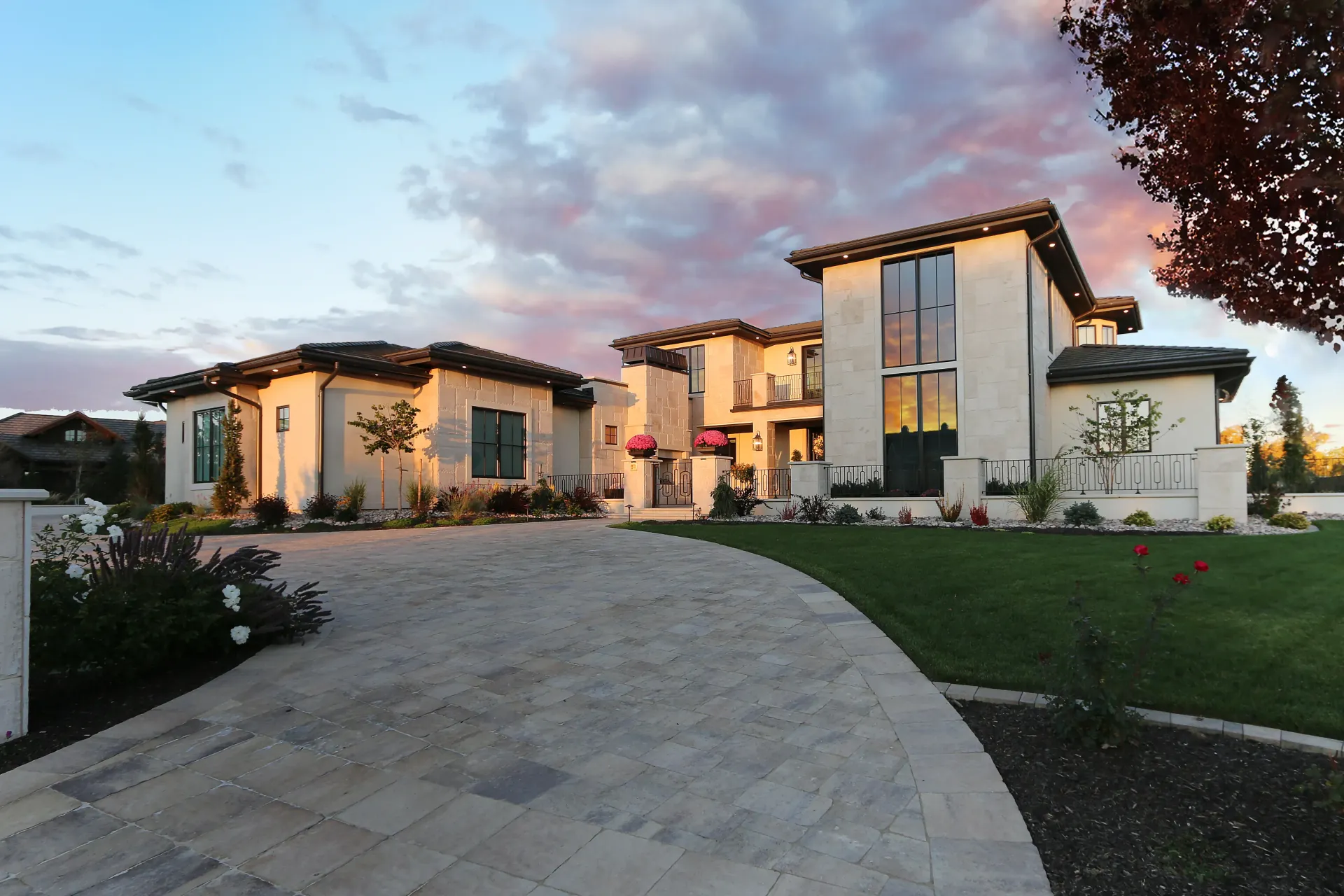
If you're already planning home renovation work that opens up the roof or exterior walls, folding these materials in during the same project costs far less than retrofitting later. The materials aren't exotic. Fiber-cement siding and Class A roofing are stocked locally and already sit on plenty of homes that have nothing to do with fire zones.
Where your permit gets reviewed
Who signs off depends on where you live. In the City of Loveland, the fire authority reviews WUI permits as part of the city process and charges a $400 fee on approval. In unincorporated Larimer County, those reviews go through the Larimer County Building Division directly. Confirm the reviewing body before you set a budget, because the review path affects both your timeline and your costs.
What Most Coverage Misses About the WUI Map
Most write-ups treat the code as if it blankets every home in the region. It doesn't. The trigger is the official wildfire risk map, not your ZIP code. Two houses on the same street can sit on opposite sides of a WUI boundary, and only one may owe Class 2 wall hardening. Before you assume your remodel is or isn't covered, pull up your jurisdiction's map and confirm your classification in writing.
There's a second point coverage tends to skip. The code rewards work you were likely going to do anyway: a roof past its service life, siding due for replacement, an addition you've delayed. Each one is a chance to meet the standard at the margin instead of paying for a standalone retrofit down the road. Documented hardening can pay off on the insurance side too, since some Colorado insurers now factor mitigation work into their pricing. Handled right, a single project can check three boxes at once: more space, a tougher home, and a better position with your insurer.
What Fort Collins Homeowners Should Do About the Wildfire Building Code
The short version: find out if you're in a WUI zone, then plan around the 500-square-foot trigger before you commit to a scope. If you are covered, the smart move is to bundle the hardening into work you already had on the calendar, whether that's a remodel, an addition, or building a custom home from the ground up. Done that way, wildfire resilience becomes a line item instead of a separate, more expensive project later.
We've built in Northern Colorado for more than 25 years, and we do things the right way the first time. If you're mapping out a 2026 project and want to know exactly how the code affects your plans, request an estimate and we'll walk you through what your lot and your scope actually require.