Home Hardening in Fort Collins: New Colorado Law Could Lower Your Insurance Bill
Colorado passed a law last year that changes how insurers are required to handle the mitigation work you do on your property. For homeowners in Fort Collins and Northern Colorado, home hardening upgrades now have a direct financial upside worth understanding before your next home renovation in Fort Collins.
Quick Answer: What Home Hardening Fort Collins Homeowners Should Know
Colorado HB25-1182, which takes full effect July 1, 2026, requires insurers to share your wildfire risk score, factor your documented mitigation work into their pricing, and offer discounts if they don't. Homeowners who have completed hardening improvements and aren't seeing it reflected in their premiums will have a legal right to appeal within 30 calendar days.
What Colorado's New Wildfire Insurance Law Actually Requires
HB25-1182 was signed on May 28, 2025, and takes full effect July 1, 2026, per the Colorado General Assembly. Before this law, insurers could use their own wildfire risk models without disclosing them to you or accounting for specific improvements you had made to your home. That changed.
Under the law, your insurer must now:
- Provide annual written notice of your wildfire risk score and available mitigation discounts
- Incorporate property-specific mitigation actions into their pricing, or apply a discount if they don't
- Respond to your appeal within 30 calendar days if your documented work isn't reflected in your score
The Colorado Division of Insurance (DORA) recommends documenting all mitigation work and discussing available discounts directly with your agent.
What Home Hardening Fort Collins Projects Actually Look Like
Home hardening focuses on the parts of your home most vulnerable to ember intrusion, which is the primary cause of structure ignitions in wildfire events, per Poudre Fire Authority. The upgrades that qualify under Colorado's framework fall into a few categories:
- Roofing and soffits: Class A fire-rated roofing materials and enclosed, screened soffits that block ember entry
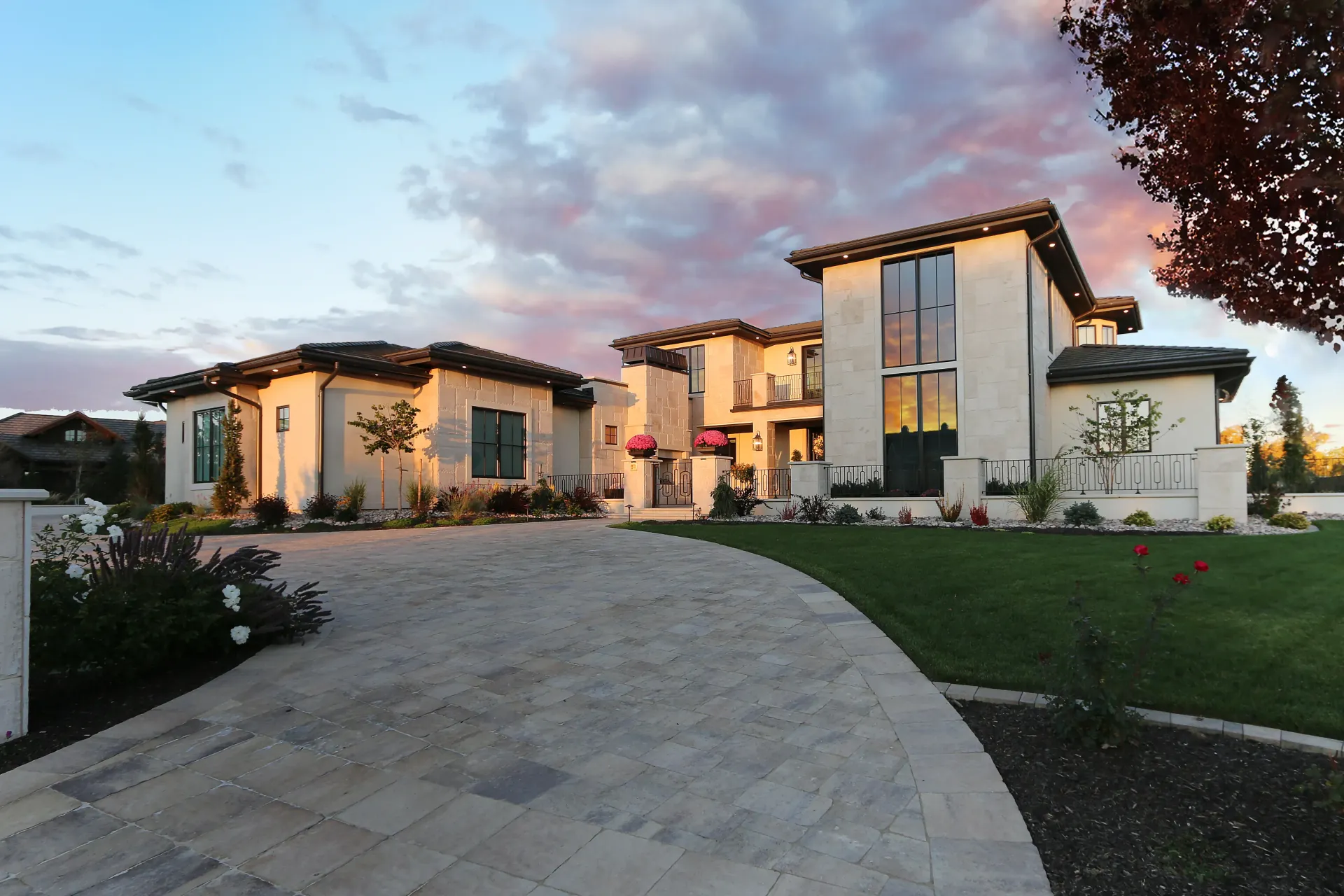
- Siding and exterior walls: Non-combustible or ignition-resistant materials such as fiber cement, stucco, or treated wood composites
- Vents: Ember-resistant covers on attic, foundation, and crawlspace openings
- Decking and attachments: Fire-resistant decking materials and clearing combustibles from zones immediately adjacent to the structure
If you're already planning exterior work, this is the most cost-effective window. Building to wildfire standards adds approximately 2.7% to construction costs when done as part of an existing project, per the Colorado Department of Fire Prevention and Control (DFPC). Tackling it as a standalone project means higher per-item costs and a second mobilization.
What Most Homeowners Haven't Done Yet: The Free PFA Assessment
Before committing to any scope of work, Fort Collins homeowners in the Wildland-Urban Interface can schedule a free, confidential Home Ignition Zone Assessment through Poudre Fire Authority. The one-hour visit identifies specific vulnerabilities and produces a written report you can share with your insurer and contractor to prioritize your project scope.
PFA's Gold Letter Program goes further, providing official written verification of your completed mitigation work. That documentation carries direct weight with insurers reviewing your risk score under HB25-1182. Schedule by calling 970-416-2891 or emailing education@poudre-fire.org.
What Fort Collins Homeowners Should Do About Home Hardening Now
The law is in effect. Your insurer is required to respond to documented improvements. Start with the free PFA assessment to identify priorities, then address the highest-risk items through scheduled home maintenance or a planned exterior renovation. Bundling hardening upgrades with work you already need done keeps costs down and gets your documentation in order before your next renewal.