J ALLEN  CONSTRUCTION COMPANY: CUSTOM HOME BUILDERS IN FORT COLLINS

  • Custom Home Builds
  • Home Remodels
  • Home Maintenance
  • Home Additions

Established in 1998 - Fully Licensed and Insured - Detail-Oriented

Serving Berthoud, Johnstown, Fort Collins, Loveland, Windsor, or surrounding Northern Colorado areas

Request an Estimate

Get the Home of Your Dreams

Are you looking for a custom home builder? You can create the perfect home with help from J. Allen Construction Company. Our custom construction meets your needs, and our detail-oriented team handles everything.


If you're interested in quality, just look at the gallery below to see examples of our work. Fill out the online form to work with a dependable home maintenance service company in northern Colorado and beyond.

View More

Custom Home Construction Contractors

When it comes to your home, quality matters. That's why you need a home contractor you can trust for building, renovations, and maintenance. At J. Allen Construction Company, we provide quality, custom construction services for your home.


You don't need to worry about anything when you hire us. Your investment with us is protected because we're fully licensed and insured. Contact us if you need a home maintenance company in Northern Colorado.

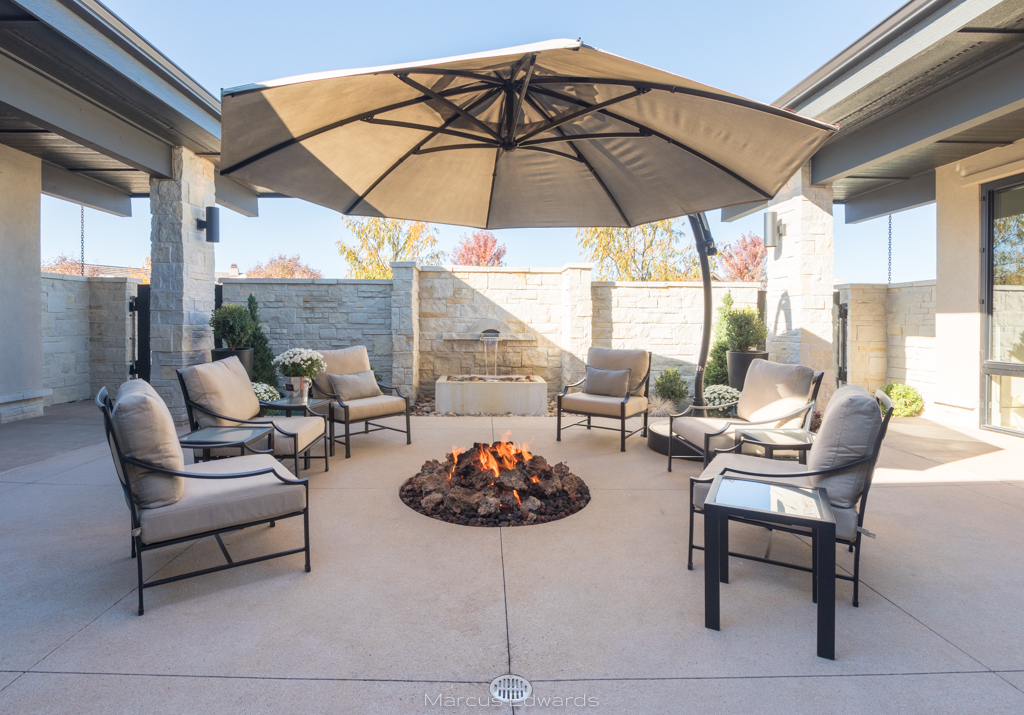
A large house with a swimming pool and a fire pit in front of it.
A large house is sitting on top of a hill with mountains in the background.

Local and Family-Owned Since 1998

There are other construction crews in the area, but we do things the right way at J. Allen Construction Company. Our owner has 40 years of experience with home maintenance companies in Northern Colorado, Southern Wyoming and surrounding areas. He's involved with every job to ensure quality results every time.


We've used the same contractors for over 20 years, and we take pride in the quality of our work. There's a reason customers keep coming back to us!

Our Home Construction Services

Ready to Work With One of the Top Home Maintenance Companies in Northern Colorado, Southern Wyoming and surrounding areas?

For over 25 years, J. Allen Construction Company has been the home maintenance service company Northern Colorado residents have relied on for all their home project needs. From new builds to regular maintenance needs, our experts are prepared to work with you to achieve your vision. If you're looking to take the next step in your home renovations, don't hesitate to give our skilled crew a call today. We look forward to constructing the home of your dreams.

Here's what our satisfied customers are saying...

A line of five stars on a white background.

Richard S

Great people working for you!!!

A line of five stars on a white background.

Marvin J

We used J Allen for a complete kitchen and master bath remodel and was extremely pleased with the finished products. 

Read More
By Alex Wells March 17, 2026
The body content of your post goes here. To edit this text, click on it and delete this default text and start typing your own or paste your own from a different source.
By Alex Wells March 17, 2026
When you start planning a bathroom remodel , it’s easy to focus on the fun parts. New tile, updated fixtures, better lighting, maybe even a full layout change. But before any of that begins, you'll need to know whether or not you need a permit. The short answer is yes, in many cases. But like most things in construction , the real answer depends on what you’re changing, where you live, and how the work is being done. As a team that has handled remodeling projects across Northern Colorado for decades, we can tell you this with confidence: understanding permits upfront saves time, money, and headaches later. Let’s walk through exactly what you need to know. The Simple Answer: It Depends on the Scope In Colorado, bathroom remodel permits are not one-size-fits-all. Whether or not you need a permit comes down to what kind of work you’re doing . You’ll likely need a permit if your remodel includes: Moving or adding plumbing (toilets, sinks, showers, tubs) Installing new electrical wiring, outlets, or lighting Changing ventilation systems (like adding an exhaust fan) Modifying walls, framing, or structure Reconfiguring the layout of the bathroom Across most cities and counties, including Larimer County and Fort Collins, any work that affects plumbing, electrical, mechanical, or structural systems requires a permit and inspection. You probably won’t need a permit for: Painting walls or ceilings Replacing tile or flooring (without structural changes) Swapping fixtures in the exact same location Installing new cabinets or vanities without altering plumbing These are considered cosmetic updates , and they typically don’t require approval. Why Permits Matter More Than You Think A lot of homeowners see permits as a formality or even a hassle. We get it. Nobody wants extra paperwork slowing down their project. But permits exist for a reason, and skipping them can create serious problems. 1. Safety Comes First Bathrooms are one of the most complex rooms in your home. You’re dealing with water, electricity, ventilation, and structural components all in a tight space. Permits ensure: Electrical work is protected from moisture (GFCI outlets, proper grounding) Plumbing is installed correctly to prevent leaks and water damage Ventilation systems prevent mold and moisture buildup Structural changes won’t compromise your home’s integrity Every permitted project includes inspections to verify the work meets code. 2. It Protects Your Investment Your home is one of your biggest investments. Unpermitted work can reduce its value or create complications when you try to sell. Buyers and inspectors will look for: Code-compliant work Documented permits Passed inspections If something wasn’t permitted, it can: Delay or derail a sale Lower your appraisal Require costly corrections before closing 3. Avoid Fines, Delays, and Red Tape Starting a remodel without a required permit can lead to: Stop-work orders Daily fines (sometimes hundreds of dollars) Double permit fees to correct the issue later Being required to tear out finished work for inspection We’ve seen it happen, and it’s never worth the risk. What Permits Are Typically Required? For a full bathroom remodel, you’re often not dealing with just one permit. Depending on the scope, your project may require multiple approvals. Common permit types include: Building Permit Covers structural changes, framing, layout adjustments, and general construction. Plumbing Permit Required for: Moving fixtures Rerouting water or drain lines Installing new plumbing systems Colorado state regulations require a plumbing permit before installing or modifying plumbing systems . Electrical Permit Needed for: New lighting or outlets Heated flooring Updated circuits or wiring Mechanical Permit Applies to ventilation systems like exhaust fans and ductwork. Each of these ensures your bathroom isn’t just beautiful, but built to last. What About Fort Collins and Northern Colorado? Here in Fort Collins and the surrounding areas, building departments follow adopted building codes for all remodels , repairs, and new construction . That means: Permits are required when work impacts regulated systems Plans may need to be submitted for review Inspections are required before closing up walls or completing the project If you’re in Larimer County or nearby communities like Loveland, Windsor, or Berthoud, the rules are similar. Local jurisdictions enforce permits to ensure safety, code compliance, and long-term durability. Can You Pull a Permit Yourself? Yes, in many cases, homeowners in Colorado can pull their own permits if: The home is their primary residence They are doing the work themselves The project complies with all codes However, there’s a catch. When you pull your own permit, you take full responsibility for: Code compliance Scheduling inspections Correcting any issues that fail inspection For most homeowners, this is where things can get complicated. Why Working With a Contractor Makes the Process Easier At J. Allen Construction Company, we handle permits as part of the process. That’s not just about convenience. It’s about doing the job right from start to finish. When you work with an experienced contractor: We know exactly which permits are required We submit plans and documentation correctly We coordinate inspections at the right stages We ensure everything passes the first time That’s how we keep projects moving forward without unnecessary delays. Final Thoughts: Bathroom Remodel Permits in Colorado A bathroom remodel is one of the best ways to improve your home’s comfort, functionality, and value. But like any investment, the details matter. Permits might not be the most exciting part of the process, but they’re one of the most important. At J. Allen Construction Company, we believe in doing things the right way. That means: No shortcuts No overlooked details No surprises at the end From the first plan to the final inspection, we make sure your remodel is built to meet your expectations and stand the test of time. If you’re planning a bathroom remodel in Northern Colorado and want a team that handles every detail, we’re here to help.
By Marilyn Allen February 4, 2026
This winter, a lot of us have been looking at the foothills and Front Range skies thinking the same thing: where’s the snow? Colorado is in a statewide “ snow drought ,” driven by an unusually warm and dry start to winter. From a homebuilding perspective, that matters more than most people realize. Snowpack is not just a ski-season issue. It is a slow-release water bank that helps fill rivers and reservoirs through spring and early summer. When that bank is underfunded, the ripple effects show up in wildfire risk, water planning, landscaping decisions, and even how we think about building and renovating homes in fire-prone areas. We want to walk through what a snow drought can mean for homeowners in Colorado, and the practical steps that make the biggest difference if 2026 trends toward a hotter, drier, more fire-active season. What “Snow Drought” Means in Plain English Snow drought does not always mean there has been zero precipitation. It often means precipitation is falling as rain instead of snow, snow is melting earlier, or the total snow water equivalent (SWE) is far below what is typical for the date. That’s exactly the concern being raised across the West this year. The federal drought portal reported that a large share of SNOTEL stations in Colorado are experiencing snow drought conditions, tied to warmth that limits mountain snow accumulation. And the USDA NRCS reported record-low snowpack observations across much of the state heading into 2026. Per the Colorado Public Radio , major river basins were running well below normal for this time of year, and experts warn that poor snowpack years often precede Colorado’s worst fire seasons. Why Snow Droughts Make for a Rough Fire Season Wildfire behavior is influenced by many variables, but the basic chain is easy to understand: Less snow and earlier melt means landscapes dry out sooner. Dry fuels and warm weather can extend the window for significant fires. Wind-driven ember exposure is often what actually ignites homes, not a wall of flame. That “earlier drying” pattern is part of why drought and low snowpack get so much attention in fire outlook conversations. For homeowners, the key takeaway is this: if the broader environment is primed for fire, the details of your property and your home’s exterior become much more important. What We Recommend If you do only a few things, prioritize the actions below. They’re supported by wildfire science and are realistic for most homeowners. 1) Treat the first five feet like a “no-burn zone” The immediate area around your home is one of the highest leverage places to reduce ember ignitions. The NFPA emphasizes preparing homes for ember exposure and reducing the likelihood of flames contacting the structure. Practical moves: Replace wood mulch right next to the house with rock or noncombustible groundcover. Remove leaf litter and dead vegetation. Avoid storing combustible items against siding. 2) Make ember entry harder The IBHS Wildfire Prepared Home guidance highlights vents, roofs, and gutters as common vulnerabilities, with recommendations like ember-resistant vents or fine metal mesh, among other minor renovations . This is a big deal because embers can find tiny pathways into attics and crawlspaces, then ignite materials out of sight. 3) Reduce fuels in layers, not just one clearing Defensible space is not only about hacking everything down. It is about spacing, maintenance, and reducing continuous fuels as you move away from the structure. 4) If you are renovating, “fire-hardening” upgrades can be built into the scope If you already have a remodel planned, that is the perfect time to consider upgrades that are hard to justify as standalone projects later, like: More ignition-resistant exterior materials where appropriate Better venting protection Window and door sealing improvements Deck detailin g that reduces debris traps Our Bottom Line for 2026 We can’t control snowpack, wind, or how hot July gets. But we can control how prepared a home is for ember exposure, how fuels are managed around the structure, and whether renovation dollars are spent in ways that reduce risk over the long term. Snow drought years are a reminder to treat resilience as part of responsible homeownership, not as a panic purchase when smoke is already in the air. If you want a second set of eyes on a renovation plan or you’re thinking about building with wildfire resilience in mind, get in touch with us.
Show More